Saltwater pools and chlorine pools both sanitize with chlorine. The difference is how that chlorine gets into the water. A saltwater pool uses a salt chlorine generator to make its own chlorine from dissolved salt, which means softer water and less hands on chemical work. A traditional chlorine pool costs less to install and gives you faster, more direct control over sanitizer levels, which matters more than most homeowners expect once Tampa’s summer storms show up. Both are excellent options, and the right one depends on how you want to spend your time maintaining it.
If you are planning a new pool or considering a switch during a renovation, here is what actually matters.
The Biggest Myth About Saltwater Pools
Most homeowners walk into this decision thinking they are choosing between chlorine and something else. They are not. A saltwater pool is a chlorine pool. It just makes its own chlorine on site instead of you adding it by hand.
Here is how it actually works. A saltwater system uses a piece of equipment called a salt chlorine generator, sometimes called a salt cell. You add pool grade salt to the water, and as that water passes through the generator, electrolysis converts the dissolved salt into chlorine. That chlorine sanitizes the pool the same way it would in a traditional setup. Then it converts back into salt and the cycle repeats.
This is not a fringe opinion. It is the position of the Pool & Hot Tub Alliance, the industry’s own health and safety authority, which states plainly that saltwater pools are chlorine pools in which the chlorine is generated on site from sodium chloride. The CDC treats both systems under the same water quality standard, recommending a pH of 7.0 to 7.8 and a chlorine concentration of at least 1 part per million regardless of how the chlorine got there.
So the real question is never “salt or no chlorine.” It is how you want that chlorine delivered, and what tradeoffs come with each method.
How Chlorine Pools Work
A traditional chlorine pool is sanitized by adding chlorine directly, usually as tablets, liquid, or granules. Your pump circulates that chlorine through the water, and you or a service technician test and adjust levels regularly to keep the pool safe and clear.
The main advantage is control. Chlorine levels respond fast when you add more, which matters in Florida more than in drier climates. A hard afternoon downpour can dilute a pool’s chemistry in minutes during the summer wet season, and a chlorine system lets you correct that the same day rather than waiting on a generator to catch up.
The tradeoff is time. You are the one buying chlorine, storing it safely, and adding it on a schedule. Skip a week and the pool can drift out of balance quickly in Florida heat.
How Saltwater Pools Work
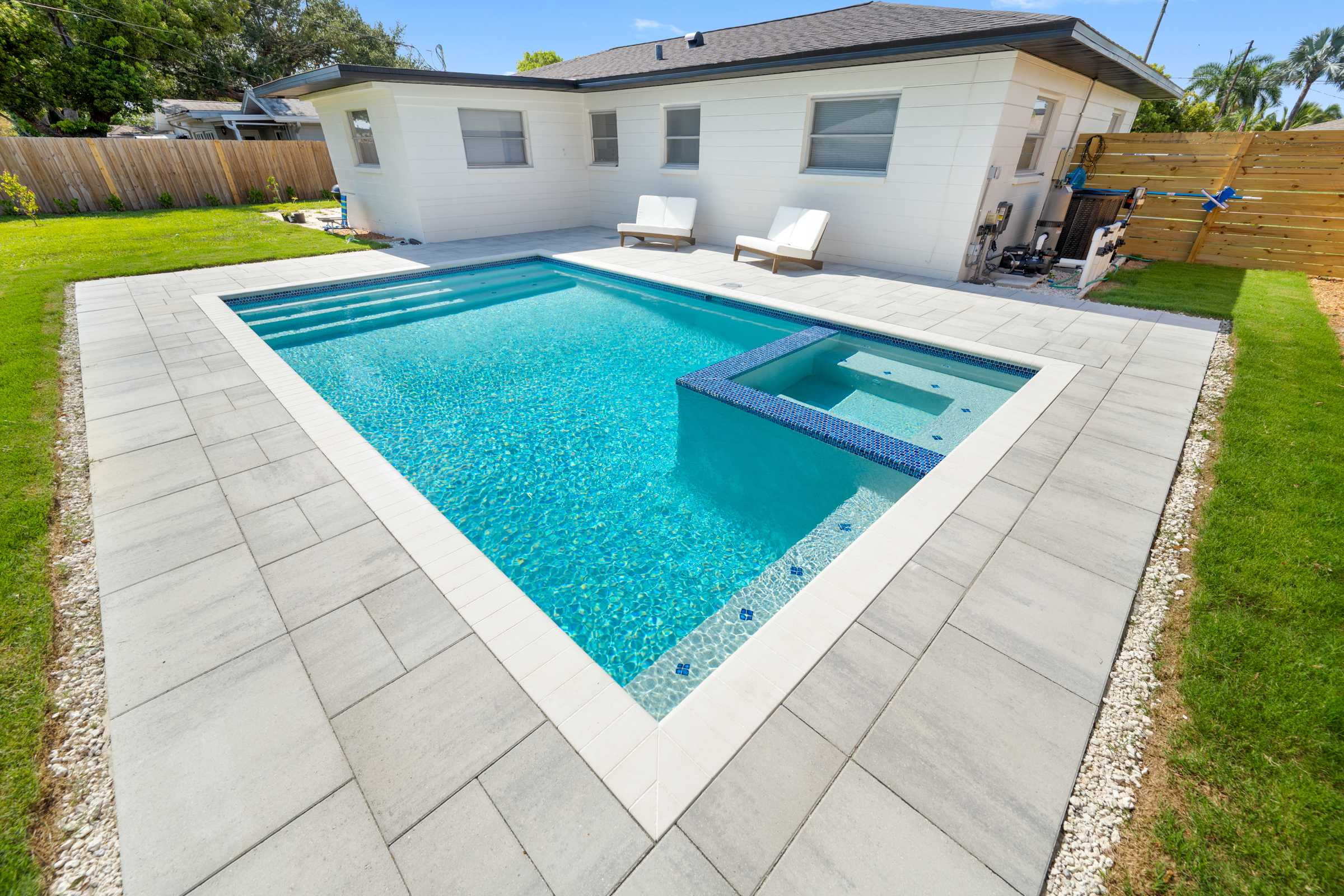
A saltwater pool runs on a salt chlorine generator built into your equipment pad. You add salt once to establish the right concentration, and the generator produces a steady, low dose of chlorine continuously as water passes through it. You are not hauling chemicals, and day to day maintenance is lighter.
Most homeowners also notice the water itself feels different. It is often described as softer, and swimmers tend to report less of the eye and skin irritation associated with heavily chlorinated water, largely because chlorine levels stay lower and more consistent instead of spiking right after you add chemicals.
The tradeoff is upfront cost and a piece of equipment that eventually needs attention. A salt cell is a wear item. Expect it to need replacement roughly every 5 to 7 years, and expect the initial equipment to cost more than a standard chlorine setup, since you are paying for the generator and control components, not just a pump and filter.
How Salty Does the Water Actually Taste?
This is the question almost every homeowner asks once they get past the myth, and the answer surprises people. A saltwater pool runs at a salt concentration far below ocean water, low enough that most swimmers describe it as barely noticeable, closer to the faint salinity of a tear than anything resembling the Gulf. If you have been imagining swimming in seawater every afternoon, that is not what this is.
Saltwater vs. Chlorine Pool Cost in Florida
This is where most articles stop at a single number. The honest answer has three parts.
Installation Cost
A saltwater system typically costs more upfront than a chlorine only setup, because you are adding a salt chlorine generator and its controls to your equipment package. Exact numbers depend on the size of your pool and the equipment package you choose, which is why we walk through real, itemized pricing during your design consultation rather than putting a number on a page that will not match your project.
Ongoing Chemical Cost
This is where saltwater tends to pay you back. You are not buying chlorine tablets or liquid every week, so month to month chemical spend is usually lower over the life of the pool.
Equipment Replacement Cost
The one number competing articles do get right: a salt cell is a maintenance item, not a lifetime part. Budget for a replacement every several years as part of total cost of ownership, the same way you would budget for a pump or heater eventually needing service.
Whichever direction you lean, this is a conversation worth having before construction starts, not after, since it affects what goes into your equipment pad from day one. That is why equipment planning is part of every new pool construction project we build, not an afterthought once the shell is already in the ground.
Maintenance: What You Are Actually Signing Up For
Chlorine Pool Maintenance
Regular testing, typically a few times a week in peak season. Manual chlorine additions on a schedule. Periodic shocking to clear up chloramine buildup, which is the actual source of that “strong pool smell” people associate with chlorine, not the chlorine itself.
Saltwater Pool Maintenance
Less frequent manual chemical handling since the generator is doing continuous work. You still test water regularly and you still need to monitor salt levels, but you are checking and adjusting rather than adding chemicals from scratch every time. Periodically, the salt cell itself needs cleaning to prevent scale buildup, and eventually it needs replacing.
Neither system runs itself. Saltwater shifts the workload from frequent chemical purchases to periodic equipment care. Which one fits better usually comes down to whether you would rather do a little work often or less frequent work that requires more attention when it happens.
A Florida Note: Salt, Humidity, and Metal
Here is something worth understanding, though it is often overstated online. Florida’s heat, humidity, and coastal air are hard on exposed metal regardless of what kind of pool you have. Screen enclosures, rails, and light fixtures all live in that environment whether the water is salt or chlorine.
Adding a saltwater system introduces one more variable to that picture. It is not the dominant factor, and a saltwater pool is not going to ruin your screen enclosure. Enclosure longevity depends far more on the frame material, the quality of the fasteners, how close you are to the coast, and whether the structure gets rinsed and maintained over the years.
The practical takeaway is simple. Choose quality materials up front, rinse exposed metal periodically, and keep up with normal maintenance. Homeowners all over Florida run saltwater pools under screen enclosures without issue, and planning both together from the start is how you keep it that way.
What About the Pool Finish Itself?
The interior surface holds up well under either system. Properly balanced water protects the finish regardless of how the chlorine is delivered, and the steadier sanitizer levels a saltwater pool tends to hold can actually be gentler than the spikes that follow manual chlorine additions. The variable that matters is water balance, not salt.
New Pool vs. Existing Pool: Does It Change the Decision?
If You Are Building New
This is the easiest time to decide, because the equipment gets specified once and built into your pad from the start. There is no retrofit cost, no draining an existing pool, and no guessing what your current plumbing can support. If saltwater is the direction you want to go, building new is the cleanest possible entry point.
If You Are Renovating an Existing Pool
Switching an existing chlorine pool to saltwater, or the reverse, is a common request during a resurfacing or equipment upgrade rather than a standalone job. It typically means adding or removing a salt chlorine generator and adjusting your equipment pad, which is simple to fold into a broader pool renovation already underway rather than treating it as a separate project.
Which One Is Right for Your Home?
There is no universally correct answer here, only the right fit for your household. As a general guide:
Saltwater tends to be the better fit if you want lower week to week chemical handling, you or your family are sensitive to strong chlorine smell or irritation, and you are building new or already planning a renovation where the upfront equipment cost fits naturally into the project.
Chlorine tends to be the better fit if you want the lowest possible installation cost, you want the fastest, most direct control over water chemistry after heavy Florida rain, or you are not ready to take on a salt cell as a future maintenance item.
Most Tampa Bay homeowners we work with end up choosing saltwater for the daily experience and accept the cell replacement as a normal cost of ownership, the same way they would budget for a pump or heater over a pool’s lifetime. But plenty of homeowners are perfectly happy with a traditional chlorine setup, and there is nothing wrong with that choice.
Common Questions
The Equipment Decision Happens Before the Shell Does
Whichever way you lean, this choice shapes what goes on your equipment pad from day one, which is why it belongs in the design conversation rather than a decision you revisit after the pool is already in the ground. If you are planning a new custom pool or thinking about a renovation, we will walk through saltwater and chlorine side by side with real numbers for your specific project. Schedule your free 3D design and estimate and we will help you figure out which system actually fits your home.