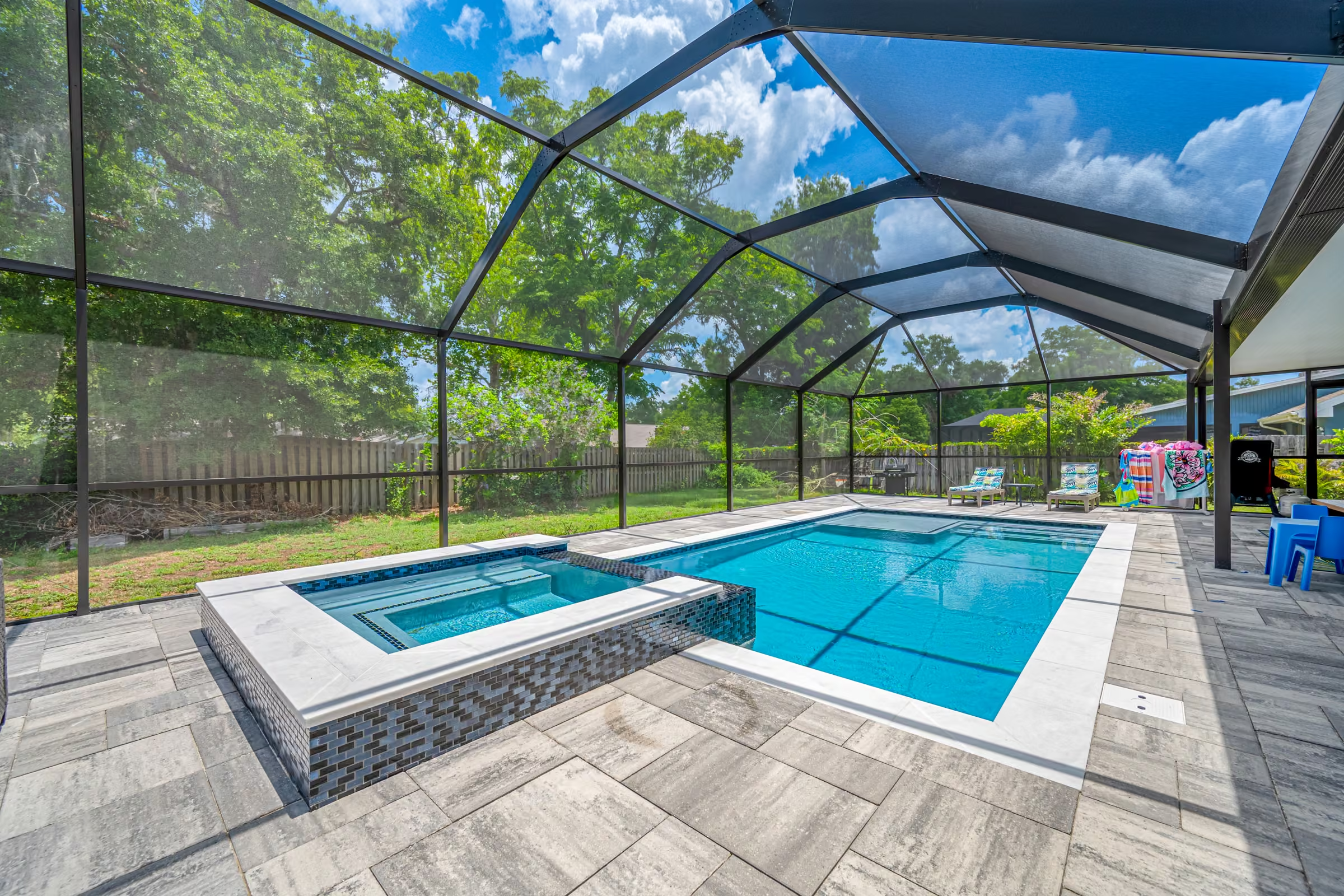
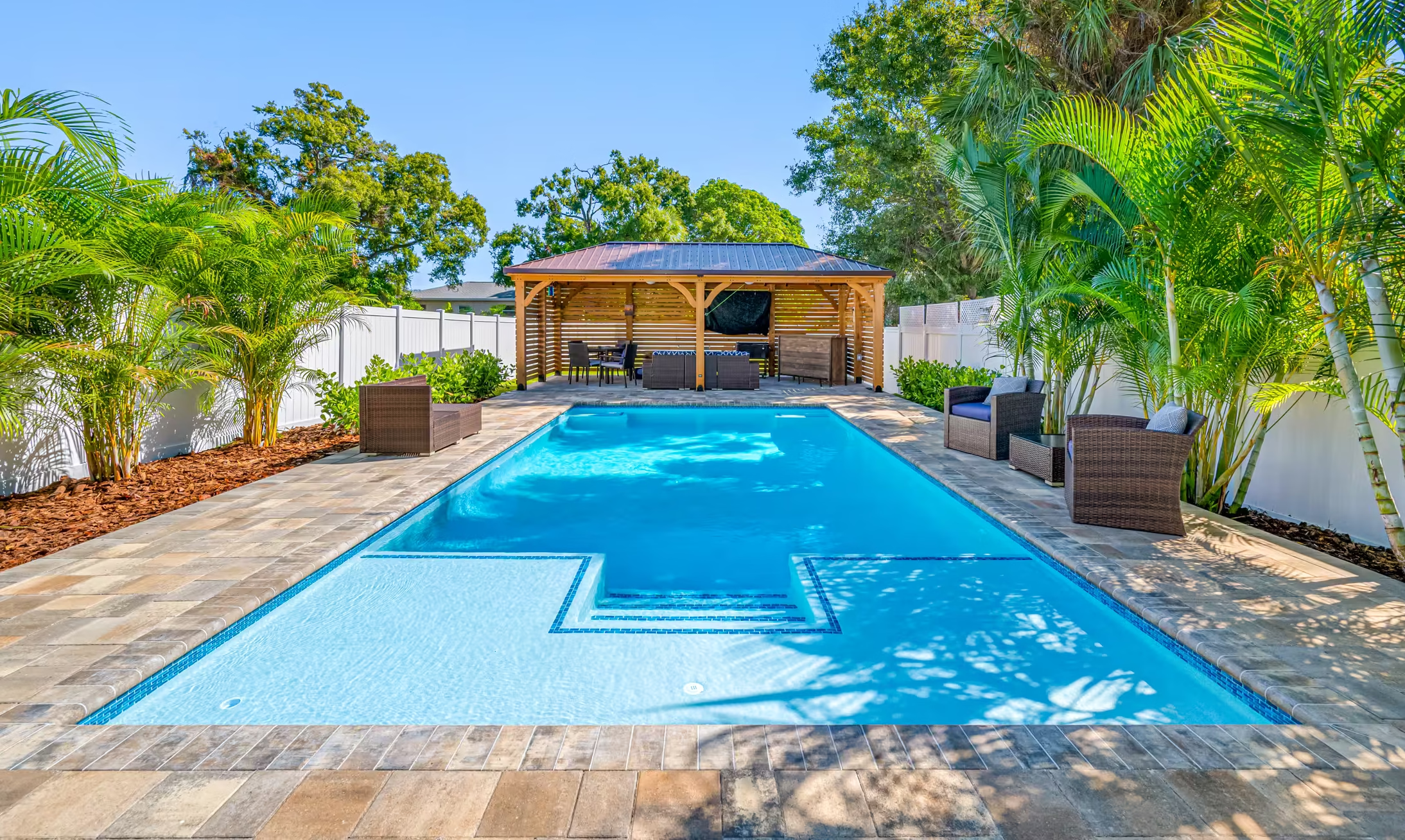
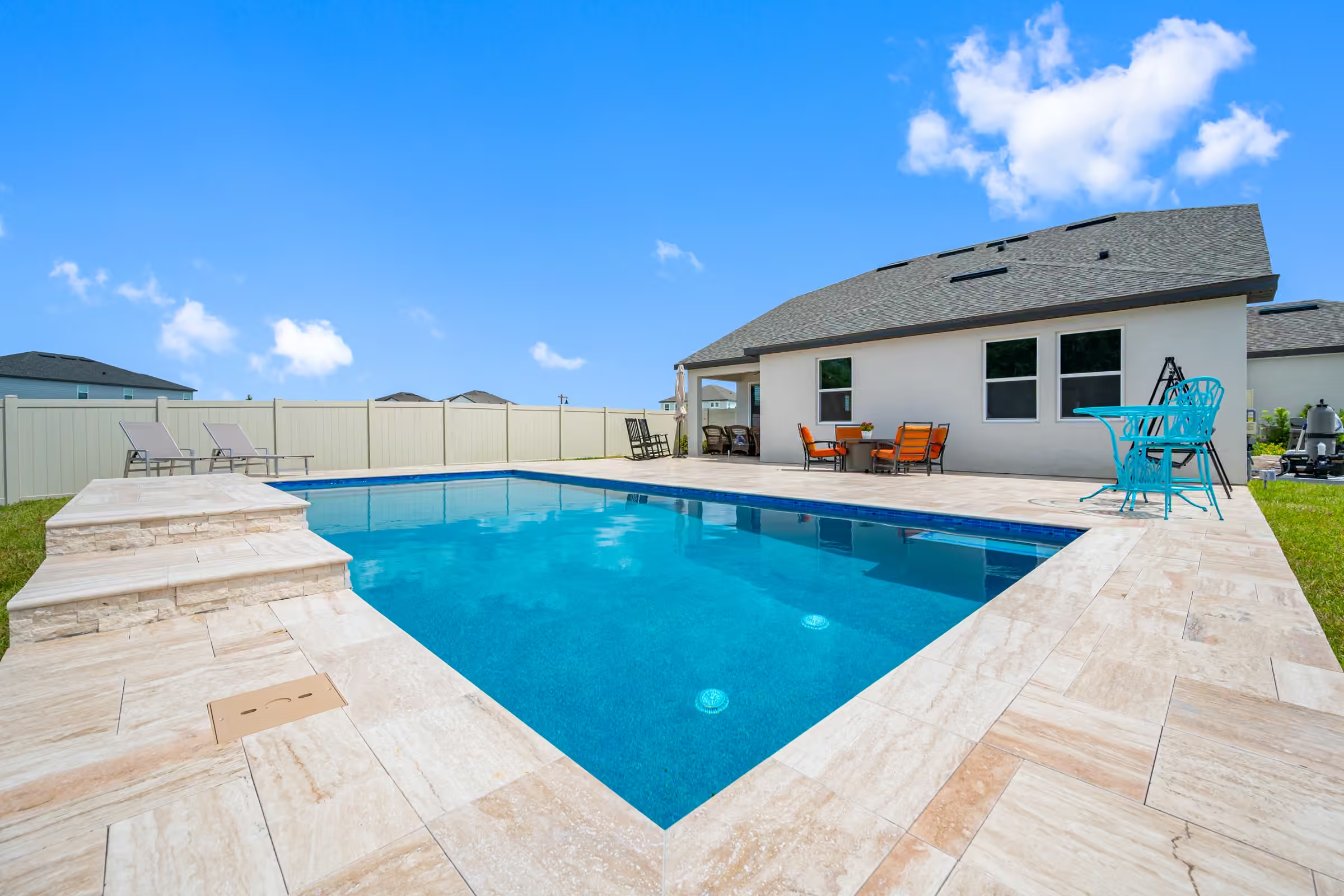
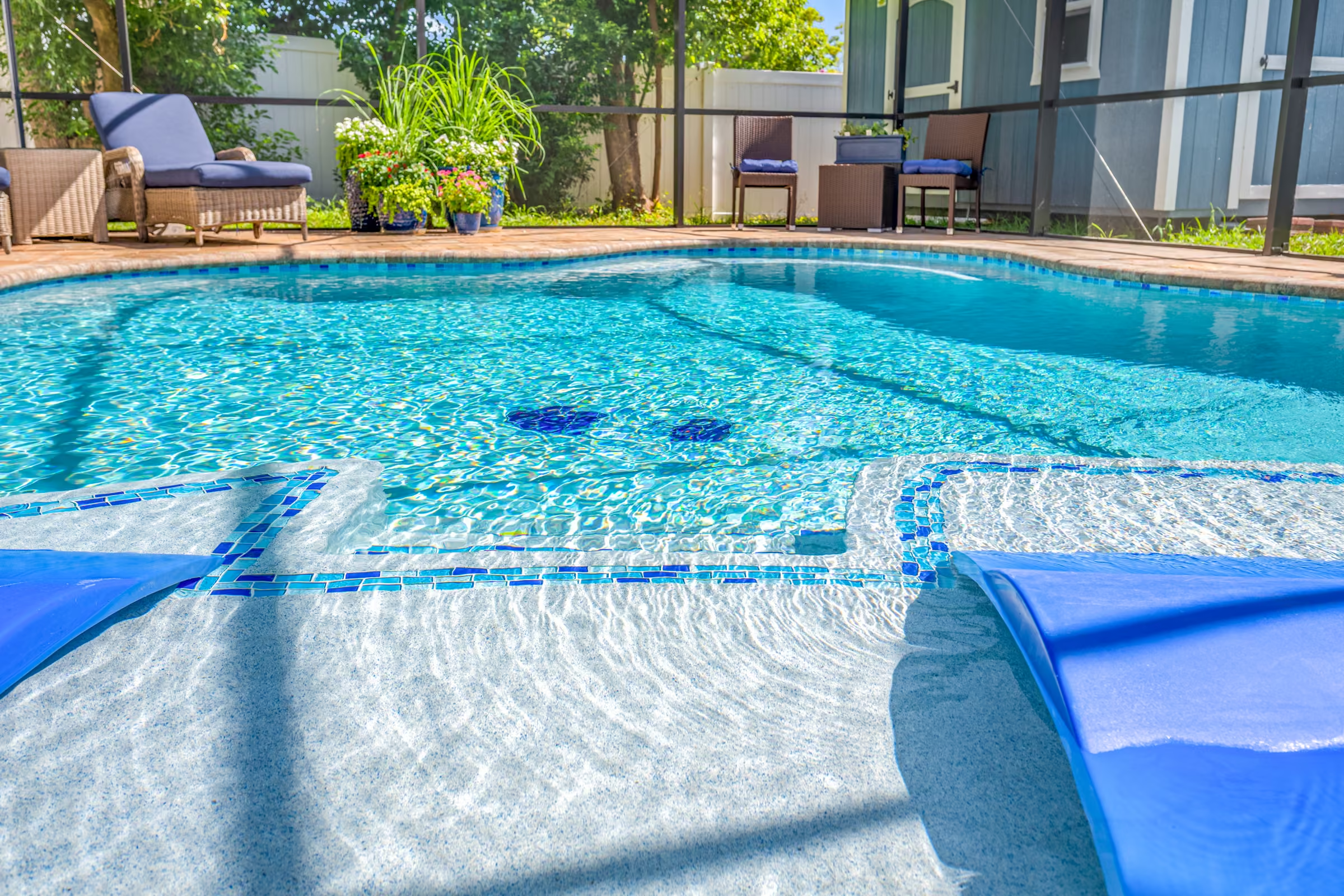
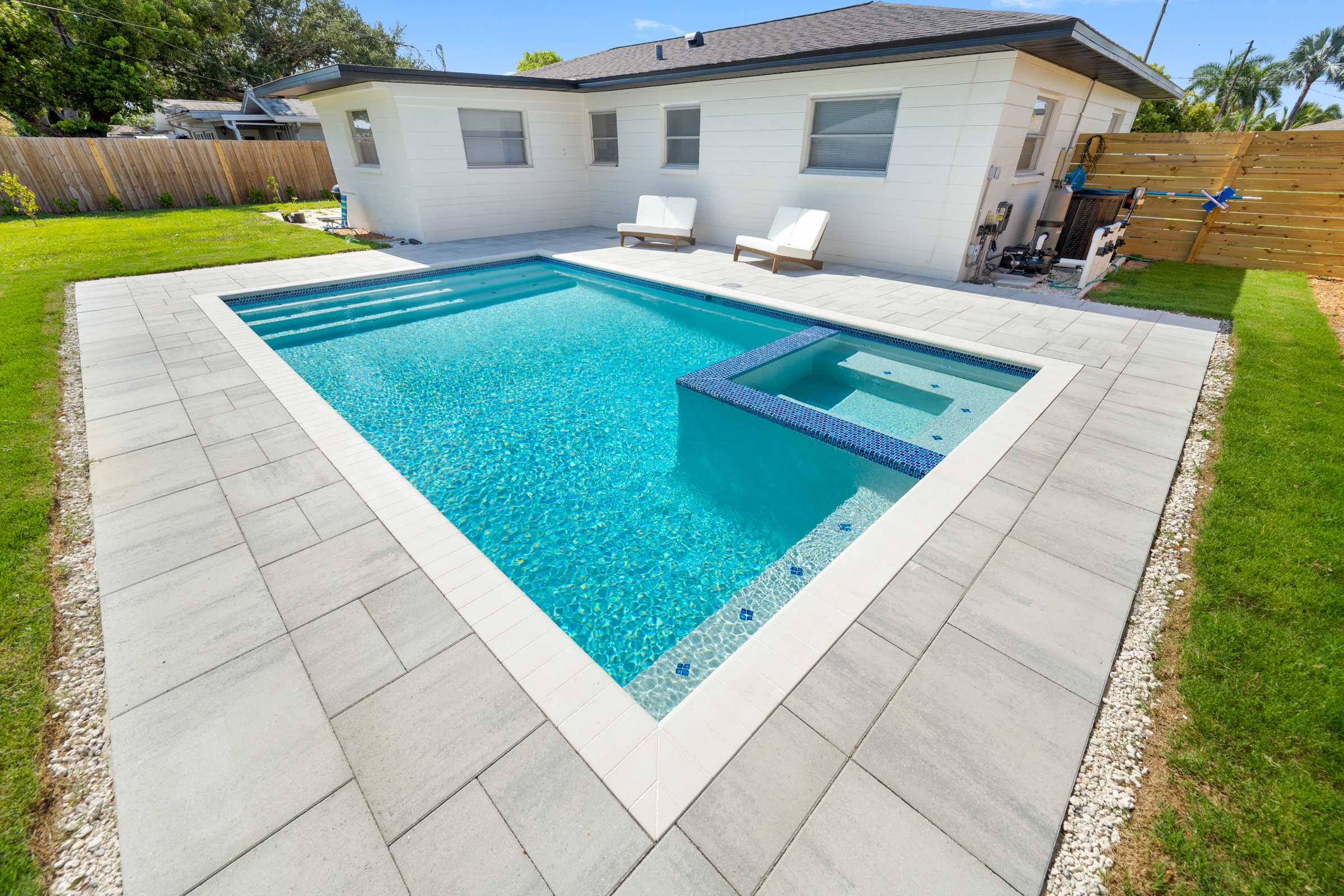
A 12×24 pool gives you 288 square feet, the sweet spot for small Tampa Bay yards, couples, or anyone who wants a genuine swimming pool without a big maintenance footprint. A 14×28 pool gives you 392 square feet and is the most popular size for a typical family of four, with room for games and multiple swimmers without taking over a standard suburban lot. A 15×30 pool gives you 450 square feet, built for bigger families, frequent entertaining, or households that want real lap swimming length. The right size comes down to your household, how you actually plan to use the pool, and what your specific lot and setbacks allow, not just the biggest number your budget can reach.
If you are staring at these three sizes trying to guess which one is right, here is how to actually decide.
The Real Question Isn't Size, It's Fit
Most pool size guides hand you a chart and let you pick a number. The better question is what that number actually gets you once it is sitting in your specific backyard. A 15×30 pool sounds great until it eats every foot of deck space and leaves no room for a table and chairs. A 12×24 pool sounds small until you realize it is plenty of pool for the two of you plus the occasional weekend guest. Size only makes sense next to how you live.
12×24: The Small Yard and Low Maintenance Choice
At 288 square feet, a 12×24 pool is the most compact of the three while still feeling like a real swimming pool, not a plunge pool. It fits comfortably on tighter Tampa Bay lots, uses less water and fewer chemicals to maintain, and still leaves enough shallow area for kids to play safely if you design the depths right. It is a strong choice for couples, smaller households, or anyone who wants the lifestyle a pool brings without dedicating half the backyard to it.
Can You Still Add Features at This Size?
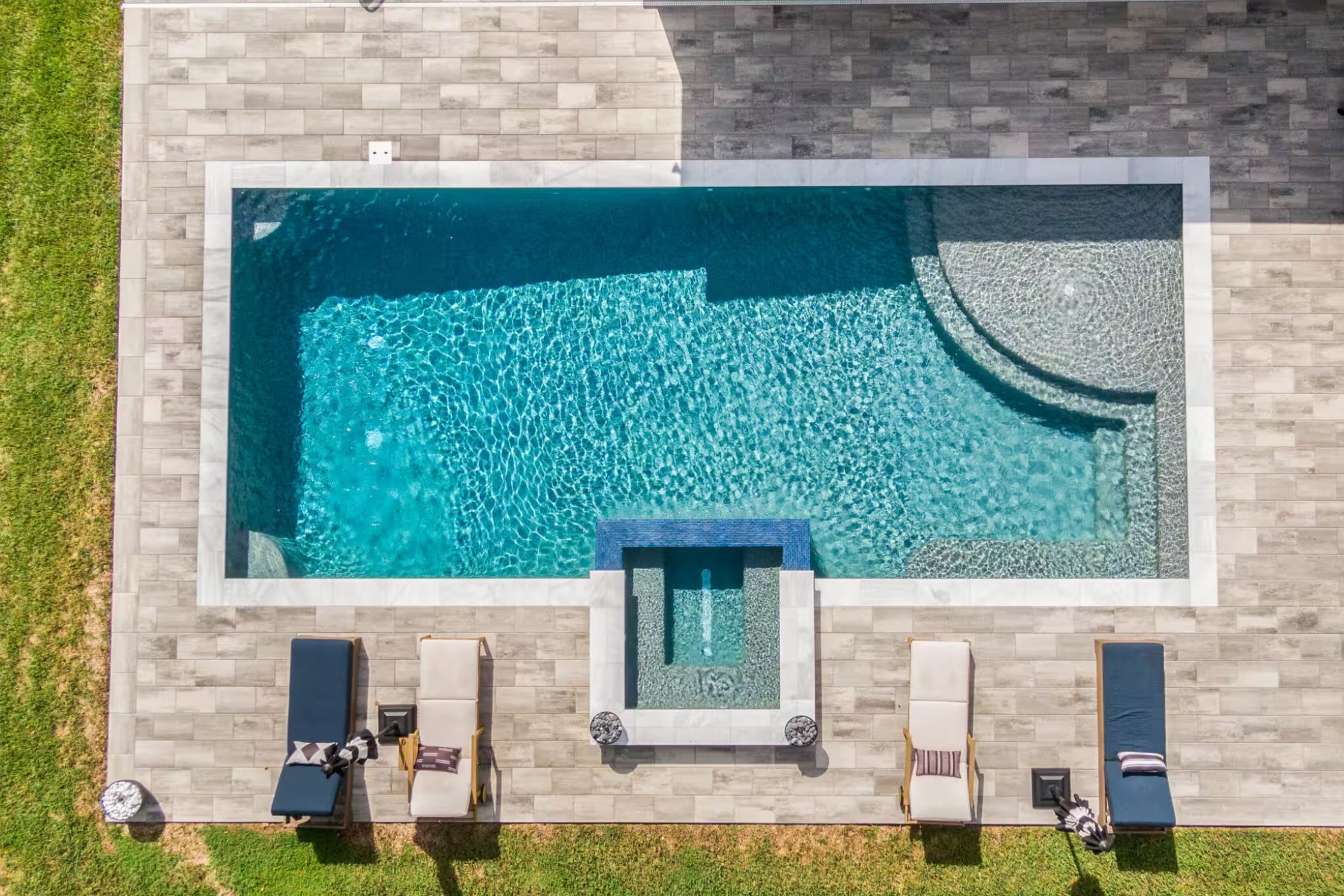
A 12×24 footprint does not automatically rule out a spa or a sun shelf, it just means those features come at the cost of open swimming space, so they need to be planned in from the start rather than added on later. A built in bench along one wall or a compact shelf on one end can still work well at this size, as long as the design accounts for it before the shell gets built rather than trying to carve it out of an already finished pool.
14×28: The Most Popular Family Size
At 392 square feet, 14×28 is the size most families of four actually land on, and it is easy to see why. It comfortably handles multiple swimmers, games, and a mix of shallow and deeper zones, without overwhelming a standard suburban yard the way an 18×36 pool would. If you are not sure which size fits your family, this is usually the safest default to start the conversation from.
What You Can Fit Alongside the Swimming Area
This size also has enough room to add a sun shelf or a small integrated spa without cutting meaningfully into the swimming area, which is part of why it shows up so often in Tampa Bay backyards. A family can have a shallow play zone for younger kids, a deeper section for older kids and adults, and still keep the pool feeling open rather than crowded once everyone is in the water at the same time.
15×30: Built for Bigger Families and Real Entertaining
At 450 square feet, 15×30 is where you start getting genuine room to breathe, whether that means more people in the water at once, more distinct zones for play versus lounging, or enough length to make lap swimming feel worthwhile. This size makes the most sense on larger lots, for bigger households, or for anyone who entertains often enough that pool capacity is a real, regular consideration rather than an occasional nice to have.
Where Features Stop Competing for Space
At this size, a separate spa, a generous sun shelf, and a real swimming lane can coexist without any one of them feeling like it was squeezed in as an afterthought. This is also the size where a swim up bar or a dedicated shallow lounging area starts to make sense as its own standalone feature rather than sharing space with everything else in the pool.
A Simple Rule of Thumb: Square Footage Per Person
A useful way to sanity check any pool size is to think in terms of square footage per person rather than just overall dimensions. A comfortable range is roughly 50 to 100 square feet of pool surface per person who will realistically be in the water at the same time.
A family of four who occasionally hosts two extra guests is looking at six people, which lands comfortably in a 14×28 pool. That same family in a 12×24 pool is not wrong, it just means the pool will feel fuller during a party than during a quiet Tuesday swim.
What About Lap Swimming?
If serious lap swimming is part of the plan, length matters more than any other single factor. Most swimmers want at least 30 feet of uninterrupted length to get a real stroke rhythm going, which puts 15×30 at the practical minimum.
Shorter pools, including 12×24 and 14×28, can still support fitness swimming with a swim jet or tether system that lets you swim in place against a current, which is worth discussing during design if fitness is a priority but a 30 foot pool does not fit your lot.
Depth Matters as Much as Length and Width
Length and width get most of the attention in a sizing conversation, but depth shapes how a pool actually feels day to day just as much. A shallow end in the 3 to 3.5 foot range works well for lounging, small children, and games that do not require deep water, while a deeper section in the 5 to 6 foot range gives older kids and adults room to swim and tread water comfortably.
How you split those zones across a 12×24, 14×28, or 15×30 shell changes the practical feel of the pool more than the overall square footage does on its own. A 14×28 pool with a long, gradual shallow zone can feel more spacious for young kids than a 15×30 pool with a sharp drop off close to the wall. This is exactly the kind of detail that gets worked out during design rather than decided in the abstract, since the right depth profile depends on who is actually going to be swimming and how they plan to use the pool day to day.
Don't Forget the Deck
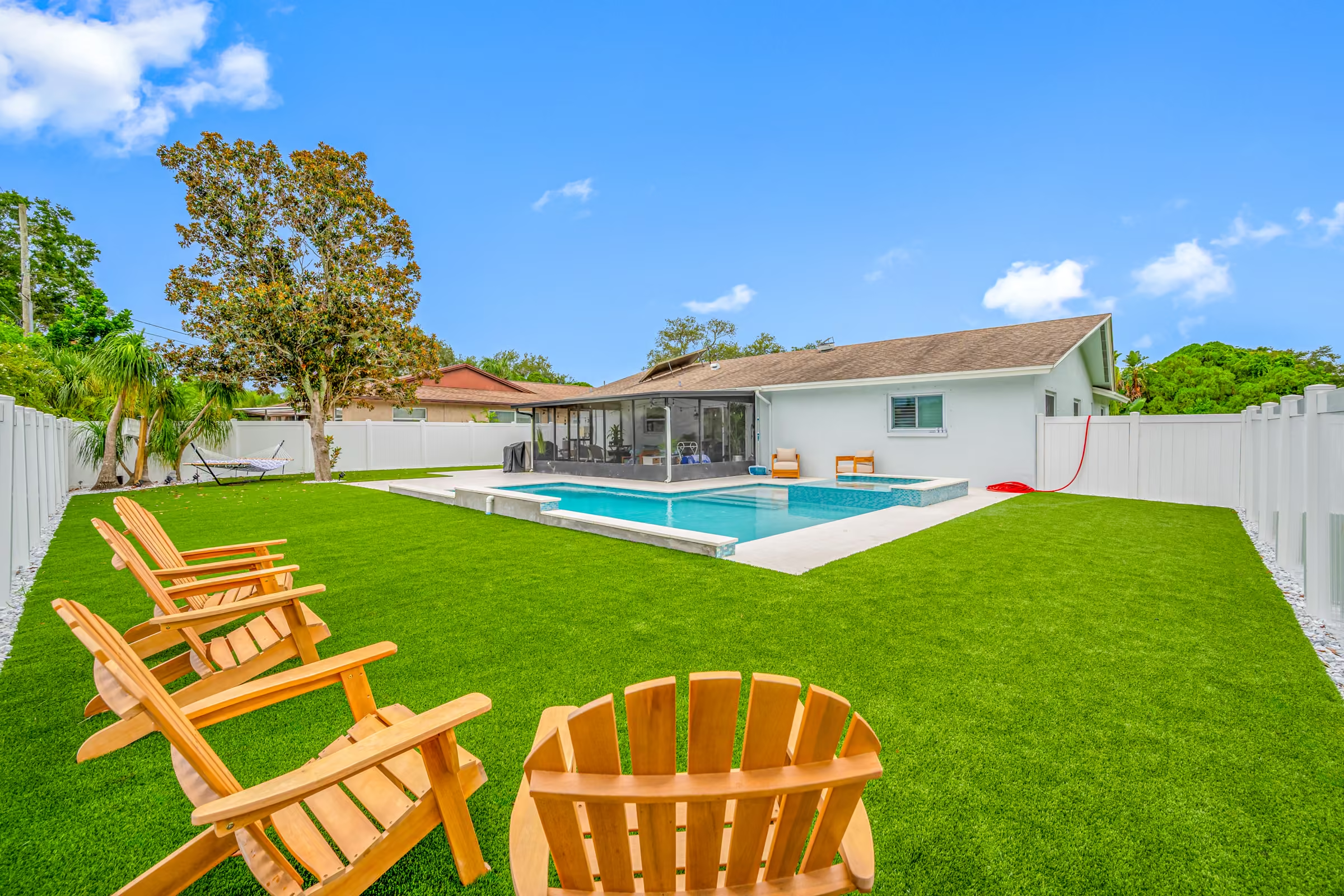
It is easy to focus entirely on the pool and forget that the pool is only part of the backyard. Most designers recommend at least 3 to 6 feet of usable deck space around the perimeter for basic circulation, and more than that if you want real entertaining space, a table, loungers, or a shaded seating area.
A larger pool with almost no deck around it often feels more cramped day to day than a smaller pool with a proper patio. Material choice matters here too, and it is worth browsing options in our Design Center early, since deck material and pool size get designed together, not as separate decisions.
The Tampa Bay Factor: Setbacks, Lot Size, and What Your Yard Actually Allows
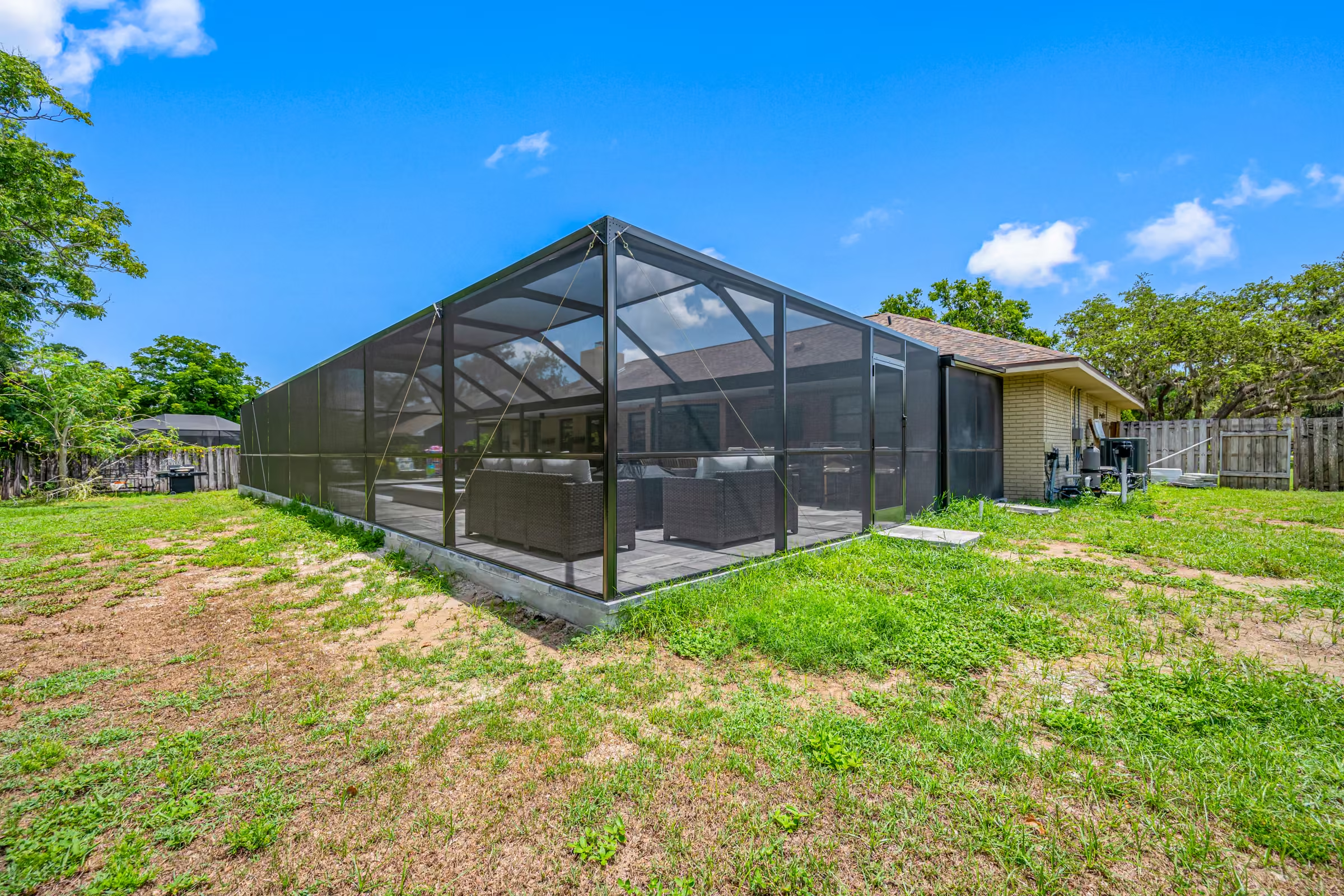
This is the part most pool size guides skip entirely, and it matters more in Florida than almost anywhere else. Your actual buildable pool area is not your whole backyard. Setback requirements, easements, and utility lines all eat into that space before a design ever gets drawn, and in a lot of newer Tampa Bay communities, especially in Brandon, Riverview, and Wesley Chapel, backyards are simply smaller than they were a generation ago. Some HOAs add their own additional restrictions on top of the county requirements.
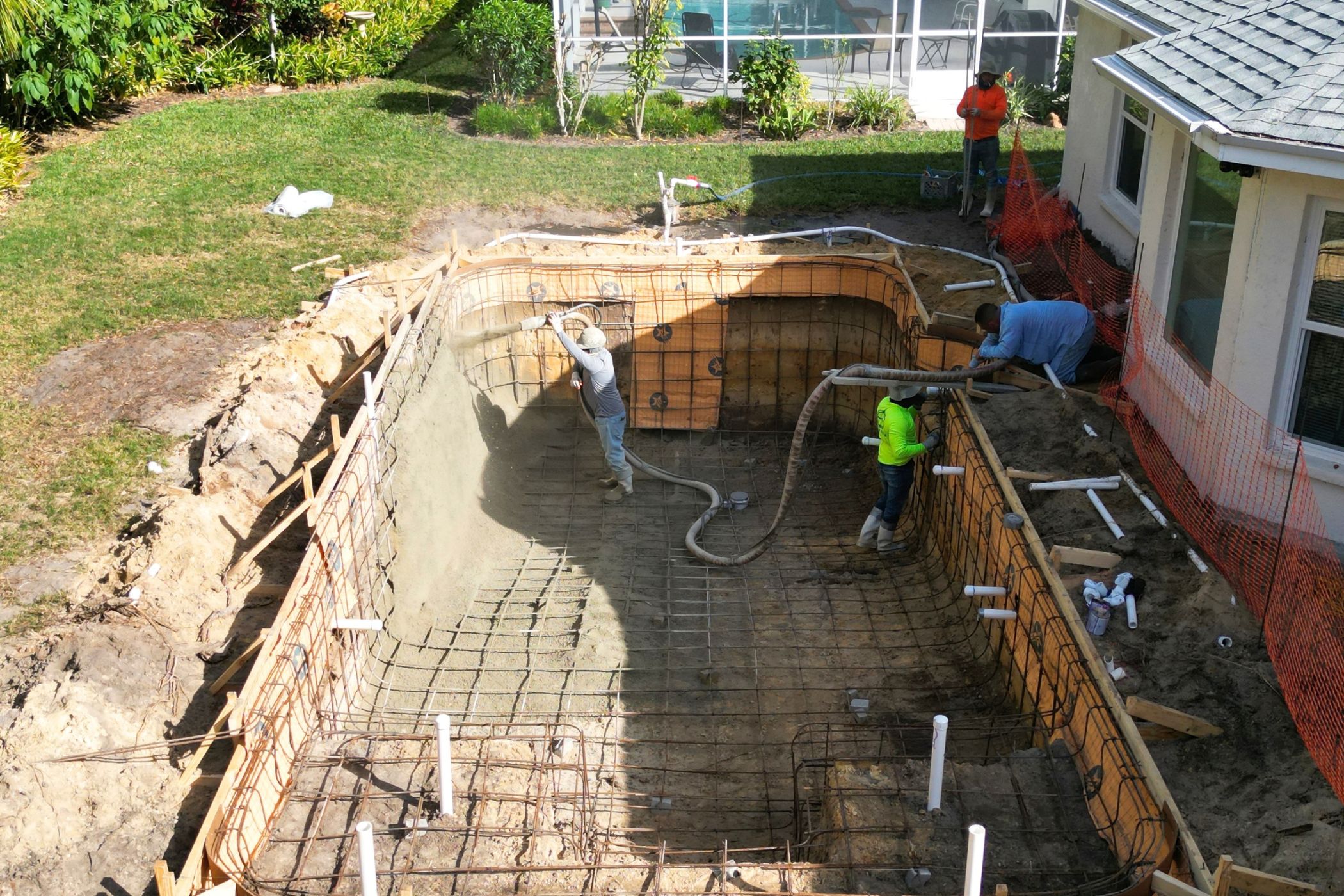
That is exactly why we measure your actual buildable space as part of every new pool construction consultation before recommending a size. A 15×30 pool that looks perfect on paper is not a real option if your lot cannot legally support it once setbacks are applied, and finding that out during design is a lot better than finding it out after you have your heart set on a number.
12×24 vs. 14×28 vs. 15×30 at a Glance
Size | Square Footage | Best For |
|---|
12×24 | 288 sq ft | Small yards, couples, low maintenance priority |
14×28 | 392 sq ft | Most families of four, the default starting point |
15×30 | 450 sq ft | Larger families, frequent entertaining, lap swimming |
What If You Already Have a Pool That Feels Too Small?
If you are reading this because your current pool never quite fits everyone, resizing is sometimes possible as part of a larger pool renovation, depending on your existing shell, equipment pad, and lot constraints. It is worth a real conversation before assuming you are stuck with the size you started with.
Common Questions
Let's Find the Size That Actually Fits Your Yard
The right pool size is not a chart, it is your household, your lot, and how you actually plan to use the space, measured against each other honestly. That is exactly what happens during your design consultation, before any size gets locked in. Schedule your free 3D design and estimate and we will help you find the size that fits your backyard, not just the one that looks good on paper.