Author name: Andrew McAdam

Planning

How Much Does a Pool Cost in Tampa Bay in 2026?

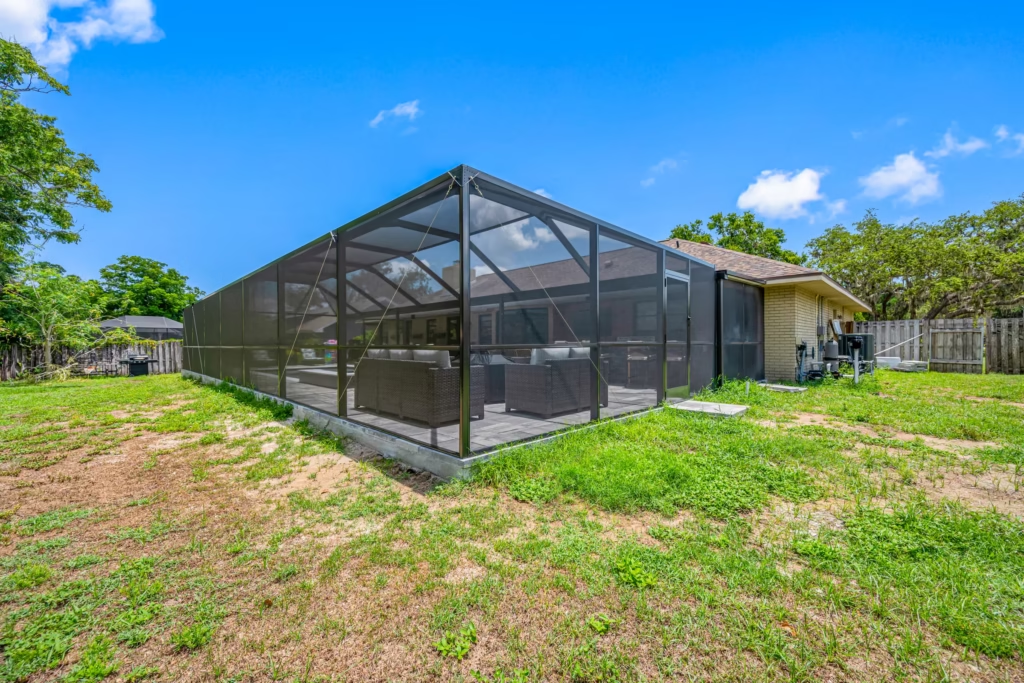
A pool screen enclosure, or pool cage as most people in Tampa Bay call it, is an aluminum frame with screen panels that covers your pool and deck. It keeps out insects, keeps leaves and debris out of the water, cuts down on daily cleaning, and takes the edge off the midday sun. A screen enclosure from Splash City starts around $20,000, which includes its own permitting, engineering, supporting footers, and the cage itself. Where your project lands from there depends on the size of the deck you are covering, the structural style, the roof style, the height, and features like a picture window screen or a kick plate. Here is how enclosures work, the types to choose from, what moves the cost, and why they are planned alongside the pool rather than added afterward.
Planning

Pool Screen Enclosures in Tampa: Costs, Types & Benefits

A pool screen enclosure, or pool cage as most people in Tampa Bay call it, is an aluminum frame with screen panels that covers your pool and deck. It keeps out insects, keeps leaves and debris out of the water, cuts down on daily cleaning, and takes the edge off the midday sun. A screen enclosure from Splash City starts around $20,000, which includes its own permitting, engineering, supporting footers, and the cage itself. Where your project lands from there depends on the size of the deck you are covering, the structural style, the roof style, the height, and features like a picture window screen or a kick plate. Here is how enclosures work, the types to choose from, what moves the cost, and why they are planned alongside the pool rather than added afterward.
Design

How to Choose the Right Pool Size for Your Backyard

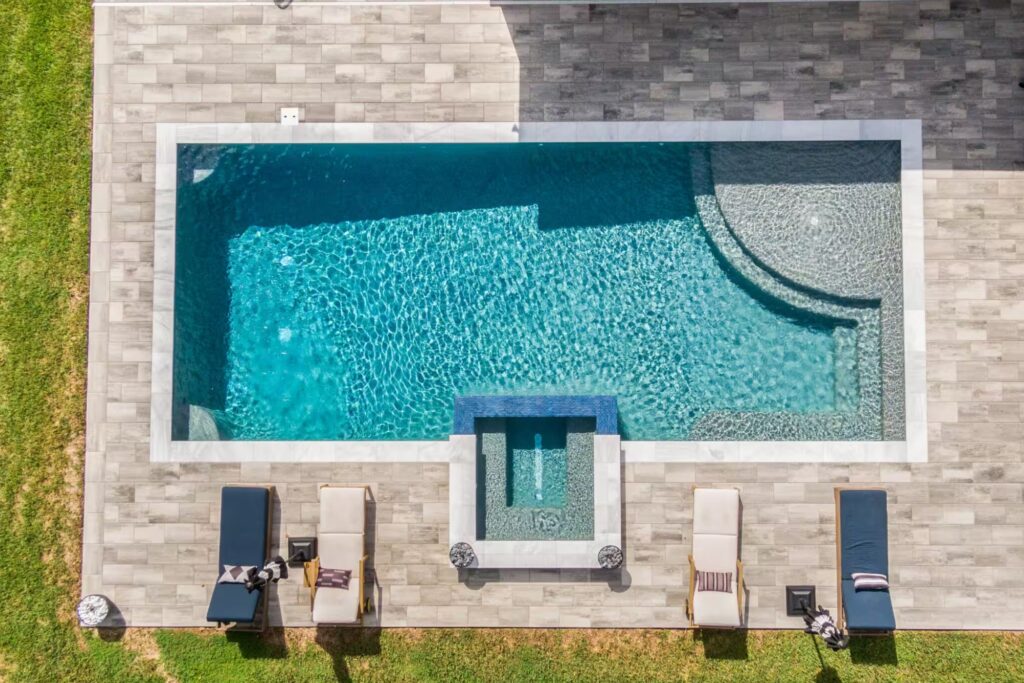
A 12×24 pool gives you 288 square feet, the sweet spot for small Tampa Bay yards, couples, or anyone who wants a genuine swimming pool without a big maintenance footprint. A 14×28 pool gives you 392 square feet and is the most popular size for a typical family of four, with room for games and multiple swimmers without taking over a standard suburban lot. A 15×30 pool gives you 450 square feet, built for bigger families, frequent entertaining, or households that want real lap swimming length. The right size comes down to your household, how you actually plan to use the pool, and what your specific lot and setbacks allow, not just the biggest number your budget can reach.

Planning

How Long Does It Take to Build a Pool in Tampa? A Realistic Timeline

Most Splash City pools take about 8 to 10 weeks to build once construction begins, though larger or more detailed projects can run closer to 12 weeks. That covers everything from layout and excavation through the final fill and inspection. Before that clock starts, permitting has to clear, and that stage varies more than construction does, since timelines differ by jurisdiction and can run anywhere from 4 to 12 weeks depending on where your property sits and how busy the local permitting office is. A good pool builder works to keep that first stage as tight as possible, but construction itself follows a fairly predictable week by week sequence once it starts.

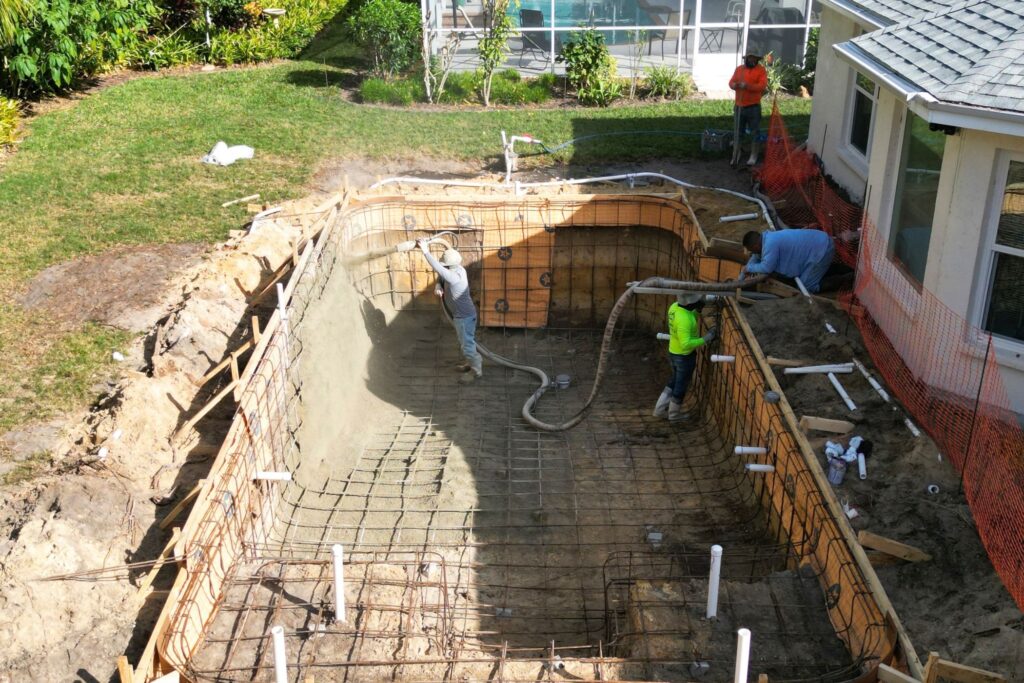
Gunite pool construction with steel rebar framework and crews applying concrete to pool walls
Education

Gunite vs Shotcrete Pools: What’s the Real Difference?

Gunite is the dry-mix process, where dry cement and sand are sprayed through a hose and water is added at the nozzle. Shotcrete is the wet-mix process, where the concrete is fully mixed with water before it ever reaches the hose. Both produce a strong structural concrete shell, and both can last 50 years or more when applied correctly by an experienced crew. Neither one is universally better. The differences show up in application, cost, and how each method handles a custom shape. At Splash City we build with gunite, and below is exactly why it fits the work we do.

Equipment

Saltwater vs. Chlorine Pools in Florida: Which Is Right for Your Home?

Saltwater pools and chlorine pools both sanitize with chlorine. The difference is how that chlorine gets into the water. A saltwater pool uses a salt chlorine generator to make its own chlorine from dissolved salt, which means softer water and less hands on chemical work. A traditional chlorine pool costs less to install and gives you faster, more direct control over sanitizer levels, which matters more than most homeowners expect once Tampa’s summer storms show up. Both are excellent options, and the right one depends on how you want to spend your time maintaining it.